1. Keep everyone out
Until the cleanup is done, children, pets and visitors stay out of the affected areas.
Man, WV · Logan County
Meth residue is often invisible, and household cleaners do not remove it. Call (877) 812-4220 in Man for professional drug lab decontamination covering walls, floors, vents and soft materials.
If anyone is in danger, call 911 first. For a suicide crisis, call or text 988.
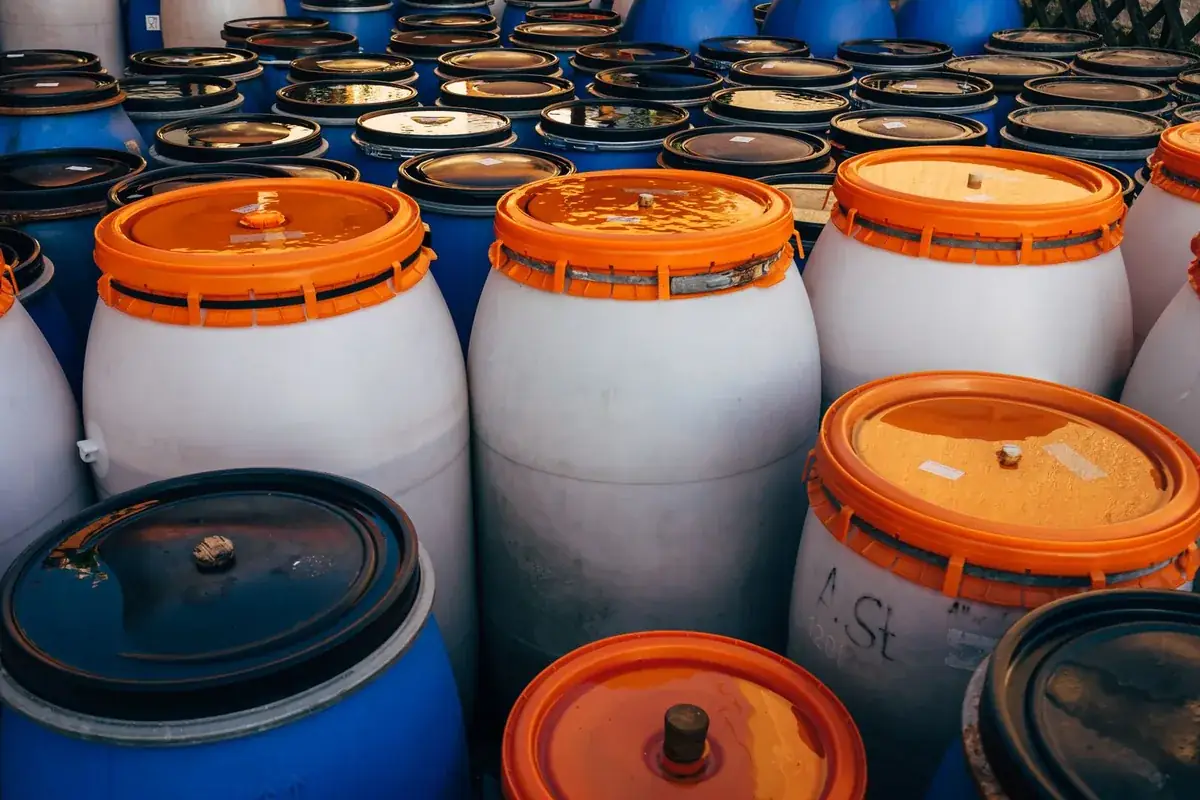
Clandestine drug lab remediation covers the cleanup of equipment, chemicals and contaminated structures after law enforcement has finished its work. It follows rules that vary by place.
Across Logan County, you can find local biohazard cleanup for meth lab and drug lab jobs by calling Man Biohazard Cleanup Help. In Man, that can mean one affected room or an entire house.
Fewer homes in Logan County, about 45%, were built before 1980, but newer drywall and carpet can still hold residue. About 23% of households in Logan County rent. Tenants, landlords and buyers can all ask about testing.
A typical drug lab & meth lab cleanup job includes:
Until the cleanup is done, children, pets and visitors stay out of the affected areas.
Porous materials such as carpet, padding and drywall that hold residue are cut out, bagged and hauled away.
Remaining surfaces and air systems are cleaned with specialized methods, not household products.
A last round of testing checks the result against the standard that applies, and the owner gets a report.
Expect drug lab & meth lab cleanup in Man, WV to cost roughly $1,500 to $120,000, with the final price set after an on-site assessment.
Access and travel play a part, as do stairs, multiple levels and out-buildings such as sheds or garages.
| Type of job | Typical range |
|---|---|
| Typical average | $15,000 - $20,000 |
| Drug remediation projects | $5,000 - $25,000+ |
| Drug lab cleanup | $5,000 - $50,000+ |
| Moderate contamination | $10,000 - $25,000 |
Estimates only, not a quote. Sources: PushLeads, Drug biohazard cleanup cost guide, BioCleaners Directory, Biohazard cleanup company pricing guide. Price drivers include whether it was smoking or production, size of the home, air system contamination, testing before and after. Call (877) 812-4220 to talk through the job.
If anyone is in danger or ill, call 911 or Poison Control. For the property, contact the local health department and ask what rules apply. Then talk with a cleanup team about testing and a plan. A property owner may also want advice from an attorney.
Some hard items can be cleaned. Porous items such as upholstery, mattresses, curtains and carpets often cannot, because residue soaks into them. The team can advise on what is likely to be removed and what can be tested.
Possible signs include strong chemical or ammonia-like smells, stained or discolored walls, burn marks, unusual equipment and unexplained headaches or irritation. These are not proof on their own. Testing is the only way to confirm residue.
It is not recommended. Residue cannot be seen, and household cleaners can spread it. Leftover chemicals and contaminated materials may also need regulated handling. If you suspect a former lab, leave, keep people and pets out, and call 911 or Poison Control for symptoms.
Rules for drug lab cleanup vary by state, county and city. The local health department or the property owner's attorney can confirm what testing and clearance apply where you live. A cleanup team can explain its own process and what records you get.
Signs can include chemical odors, stained walls or counters, burn marks, odd equipment and a history shared by police, neighbors or a prior owner. None of these is proof. Only testing can show whether residue is present. The local health department can point to next steps.
Describe what you know about the property, and the team will explain how testing works.
Call (877) 812-4220